

Fair Market Value Appraisal: A Guide for Queensland Sellers
Selling a property is easier when you know what the market is likely to support. A clear appraisal helps you set a confident strategy and protect your equity from the outset.
Key Takeaways
- A realistic appraisal helps you avoid accepting less than your property’s market value and protect your position during settlement.
- Book a Fair Market Value Appraisal before listing to establish a practical starting point.
- Recent comparable sales, property condition and local demand all influence your likely sale result.
- A thorough walkthrough can identify the features that strengthen your selling strategy.
- Clear market positioning can encourage stronger competition while keeping you in control of the sale.
I’m Rochelle Adgo, founder of The Rochelle Adgo Team at Ray White Mitchelton. I help local property owners protect their equity and stay in control throughout the selling process.
A fair market value appraisal assesses what your property could achieve in an open market between informed parties who are free to act. It gives you a grounded basis for making decisions before you list, during a deceased estate settlement or when a government authority proposes compulsory acquisition.
Understanding Fair Market Value for Queensland Sellers
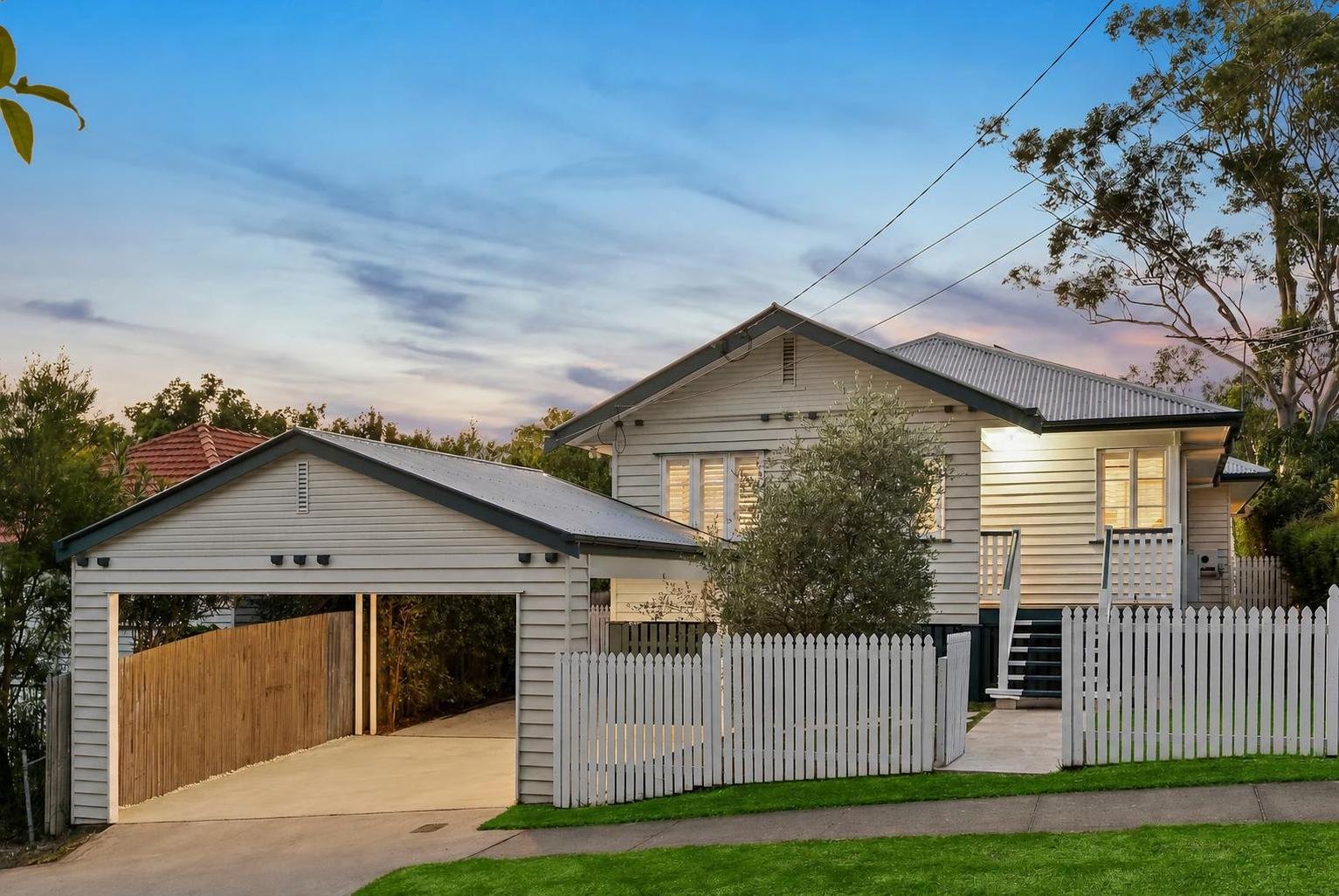
When you prepare to sell, you may hear several value terms used interchangeably. Knowing what each one means helps you make decisions that support your sale rather than reacting to a figure that does not reflect your property’s strengths.
Fair market value is the most likely price your property could achieve in an open and competitive market. It assumes the parties act independently, understand the relevant facts and have no undue pressure to proceed.
An appraisal provides a professional opinion of value based on current evidence, while a lender’s valuation focuses on lending risk. These figures can differ, so sellers benefit from having clear comparable sales and property details ready to support their agreed sale price.
The final sale price reflects what the market accepts through the selling campaign. Strong presentation, informed campaign decisions and well-managed buyer competition can help you defend your equity and maintain control.
What Shapes a Fair Market Value Appraisal
A useful appraisal looks beyond a basic online valuation. The Rochelle Adgo Team considers the features that matter to local sellers, including your property’s condition, presentation, land, location and the current level of demand.
Comparable sales provide the strongest starting point. The team reviews recent results for genuinely similar properties in the relevant local area and considers factors such as land size, accommodation and the standard of finishes. For more guidance, see How to Get a Fast Market Appraisal.
Replacement cost answers a different question from market value. Rebuilding a dwelling does not necessarily show what buyers will pay, because land, location and local demand have a significant influence on your sale strategy.
Council land valuations also serve a different purpose. They assess land for rating and tax purposes, rather than providing a seller-focused opinion of what the complete property could achieve in the current market.
How The Rochelle Adgo Team Prepares Your Appraisal
The Rochelle Adgo Team combines current market evidence with hands-on local knowledge to prepare a clear appraisal for your property. You receive practical context for your sale decisions rather than a generic automated valuation.
The process starts with a comparative market analysis that reviews active listings and recent sales in the local area. The team then considers the property details that online models can miss, such as improvements, presentation and features that strengthen buyer interest.
Automated valuation models can offer a starting point, but they cannot inspect your property or judge how its individual strengths will influence the campaign. A local appraisal gives you a more useful foundation for setting and defending your sale strategy.
If you are deciding when to begin, read Should I Get an Appraisal Before Selling My House.
Legal and Tax Considerations for Queensland Sellers
An accurate appraisal can also support important legal and financial decisions. Queensland sellers may need reliable value evidence when managing a property settlement, a deceased estate or compulsory acquisition.
During a relationship property settlement, a formal valuation can help establish an equitable basis for dividing property interests. If co-owners cannot agree on a sale, a party may apply for a statutory trust for sale through the Supreme Court of Queensland.
For inherited property, the cost base reset to market value at the date of death can affect later capital gains tax obligations. A formal valuation may also support the Supreme Court of Queensland probate process.
When a government authority proposes compulsory acquisition, an independent valuation can help you assess whether the proposed compensation properly reflects your property. For further seller guidance, see Brisbane Property Valuation.
How a Fair Market Value Appraisal Supports Your Sale
The Rochelle Adgo Team acts exclusively for sellers. The focus stays on protecting your equity, defending your sale price and helping you make informed decisions at each stage of the campaign.
The team supports sellers in Mitchelton, Upper Kedron, Arana Hills, Everton Hills, Everton Park, Ferny Grove, Ferny Hills, Gaythorne and Keperra. That local knowledge helps shape a campaign that presents your property clearly and encourages meaningful competition.
Whether you are selling a family home or considering Residential Land sales in an appropriate local market, you deserve a strategy built on current evidence and confident negotiation. The Rochelle Adgo Team uses market insight, professional negotiation and active buyer matching to pursue the strongest possible result for you.
FAQs
What is the difference between market value and appraised value?
Market value is the actual price a buyer agrees to pay for your property on the open market. Appraised value is a conservative valuation conducted by a licensed valuer, typically on behalf of a lender. Lenders use this figure to manage their risk, which can sometimes create a valuation gap. If a bank valuation comes in low, we work quickly to defend your sale price and prevent buyers from requesting price adjustments under the REIQ contract.
How does the ATO define a willing buyer and willing seller?
The ATO defines this concept through the lens of an arm’s-length transaction. It assumes both parties are independent, acting in their own financial self-interest, and under no pressure to buy or sell. Both parties must also possess reasonable knowledge of the property and market conditions. This objective standard ensures that property transfers, especially between family members, are recorded at a realistic market rate for tax purposes.
Why should I avoid relying solely on online valuation tools?
Online valuation tools rely on historical public data and basic algorithms. They cannot account for recent renovations, structural improvements, or the unique street appeal of your home. A physical inspection by an experienced local agent is the only way to capture these value-adding features.
How does a deceased estate valuation work in Queensland?
When a property owner passes away, the executor must establish the property’s value as of the date of death. This value serves as the new cost base for capital gains tax purposes. The executor will require a formal valuation from a registered valuer to complete the Supreme Court of Queensland probate process.
Can I dispute a low bank valuation during a property sale?
Yes, you can dispute a low bank valuation. We assist sellers by providing the valuer with recent, highly relevant comparable sales that support the agreed purchase price. Defending your sale price with hard data is essential to keeping the contract on track.
How do you calculate the value of residential land sales?
Valuing residential land sales requires analysing the site’s development potential, zoning restrictions, topography, and recent sales of vacant blocks in the immediate suburb. We look closely at what can be built on the land to determine its maximum value to developers and owner-builders.
