
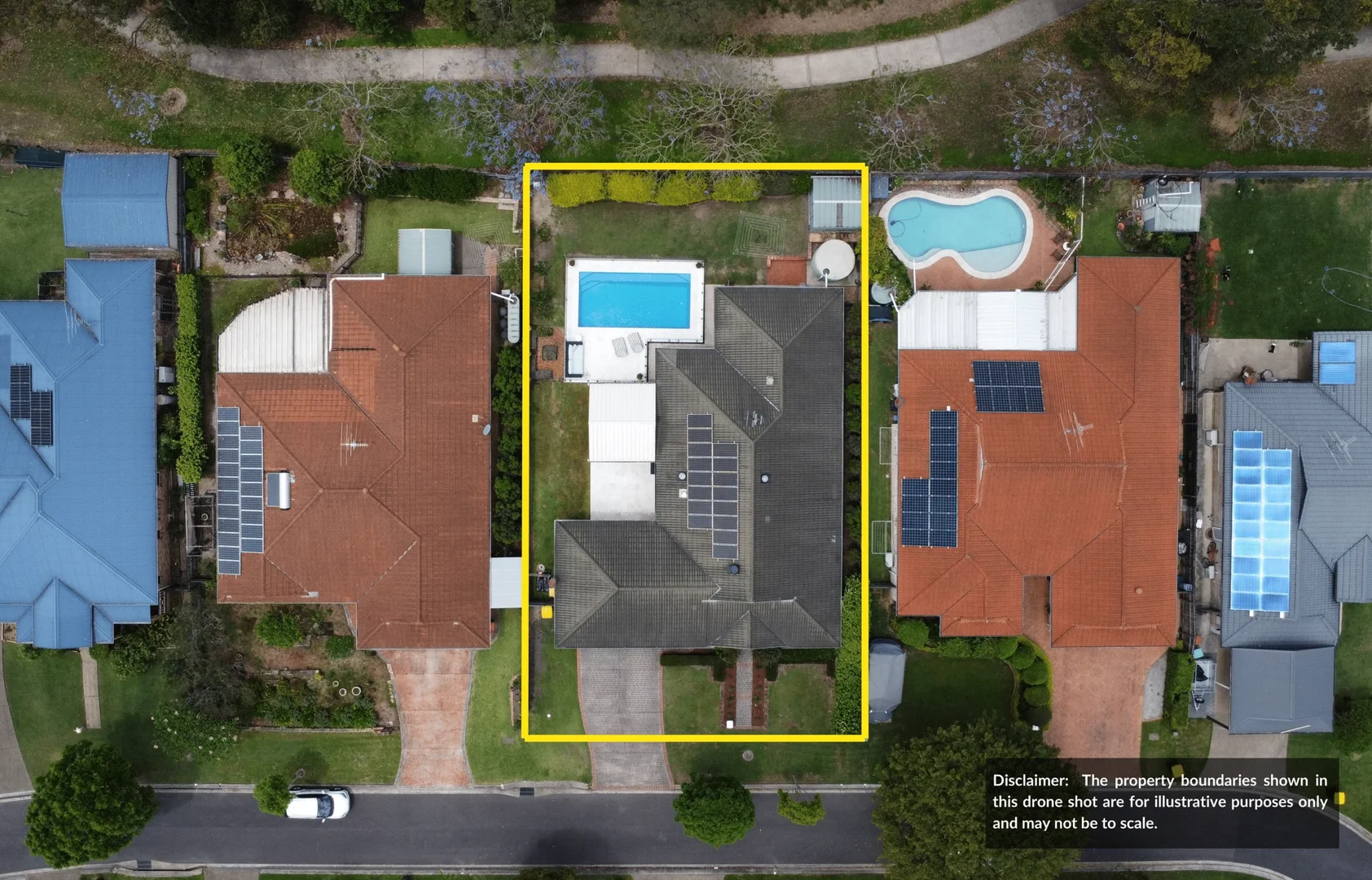
If you want to subdivide and sell land in Brisbane, the first question is not simply whether the block is big enough. It is whether the site, zoning, services, title pathway, and local buyer demand all support a profitable seller outcome.
Key Takeaways
- Subdividing can create meaningful seller equity, but feasibility depends on zoning, frontage, slope, services, overlays, and market demand.
- A tailored Market Appraisal helps protect your sale price before you commit to planning or civil works.
- Queensland subdivision rules require careful attention to approvals, disclosure plans, trust account deposit handling, and settlement timing.
- Selling vacant registered land usually gives sellers a simpler exit than building first, while turnkey dwellings involve more capital, time, and delivery risk.
- The Rochelle Adgo Team helps sellers control campaign timing, buyer competition, negotiation strategy, and final sale price.
Subdivision Feasibility, Approvals, and Seller Strategy in Brisbane
Assessing feasibility starts with Brisbane City Council’s planning framework under Brisbane City Plan 2014. Many landowners look at a generous suburban block and assume it can be split easily, but council rules look closely at zoning, frontage, access, services, overlays, and the shape of the land.
Zoning shapes what is possible. Low-Medium Density Residential zones can offer more flexible pathways for multi-lot outcomes and townhouse-style projects, while Low Density Residential sites generally face stricter lot size and frontage expectations. Rear or battle-axe allotments can also need larger usable land areas because access corridors do not always count towards the practical building envelope.
Overlays can change the whole project. Traditional Building Character controls, overland flow, waterways, protected vegetation, slope, and servicing constraints can all affect whether a clean subdivision is realistic. This is why early advice from a town planner, surveyor, civil engineer, and experienced seller advocate matters before you spend heavily on drawings or reports.
For straightforward applications, a compliant lot split may move through a code assessable pathway. More complex projects can take longer, especially where overlays, servicing upgrades, or design changes are involved. The practical goal for sellers is to understand the approval pathway early, so the final sales strategy is built around realistic timing rather than guesswork.
After development approval, the project usually moves into conditions, infrastructure obligations, service connections, civil works, inspections, plan sealing, and title registration. Water, sewer, stormwater, electricity, access, and driveway works all need to be coordinated properly. Once the survey plan is sealed and lodged with Titles Queensland, the new freehold titles can be created.
| Strategy Metric | Selling Vacant Subdivided Land | Building and Selling New Dwellings |
|---|---|---|
| Capital Requirement | Lower civil and infrastructure exposure | Higher construction funding and project management needed |
| Project Timeframe | Shorter pathway once titles are registered | Longer pathway through design, build, completion, and sale |
| Holding Cost Exposure | Lower exposure to interest, rates, and project delays | Higher exposure while construction and sale campaigns progress |
| Development Risk | Lower, with less exposure to building delays | Higher, with builder variations and trade availability to manage |
| Target Market | Custom home builders, investors, downsizers, and local land buyers | Turnkey owner-occupiers, families, and professionals |
| Seller Equity Control | Earlier capital release with simpler delivery | Potentially higher gross revenue, but with more execution risk |
Choosing whether to sell vacant subdivided land or build new dwellings depends on your risk tolerance, funding position, and local buyer demand. In suburbs such as Everton Park, Arana Hills, Mitchelton, Keperra, and Upper Kedron, Residential Land sales can attract strong competition when the site is well presented and clearly positioned. Reviewing Accurate Property Valuation Methods can help you model each exit path around seller equity rather than assumptions.
Tax and contract structure can affect your final result. When you subdivide an existing block, cost base apportionment, capital gains tax, GST treatment, and the margin scheme may all need professional advice. Sellers should speak with a qualified accountant or solicitor early, particularly where the project may be treated as an enterprise or profit-making scheme.
Selling proposed lots before final titling also brings disclosure obligations under Queensland law. Sellers may need a disclosure statement and disclosure plan prepared with the right professional input before contracts are signed. Deposits must be handled through an approved trust account, and sunset clause rules must be approached carefully so the seller remains compliant while protecting the campaign and settlement strategy.
The right sales positioning can make a major difference once the land is ready for market. Buyers need to understand the site potential quickly, but the campaign must stay focused on seller control, strong competition, and price maximisation. The Rochelle Adgo Team helps sellers shape that strategy across Brisbane’s northern suburbs, from appraisal through to negotiation and settlement.
Why Subdivision Sellers Choose The Rochelle Adgo Team
A profitable subdivision sale needs more than technical approval. It needs a clear seller-first strategy from feasibility conversations through to contract execution.
The Rochelle Adgo Team works exclusively in the seller’s best interest. The team uses local knowledge across Mitchelton, Keperra, Upper Kedron, Everton Hills, Ferny Hills, Gaythorne, Everton Park, Arana Hills, Enoggera, and Alderley to position each property around its strongest sale features.
That means clear pricing advice, careful campaign timing, confident negotiation, and a marketing story that helps qualified buyers understand the value of the opportunity. If you are considering whether to subdivide and sell Brisbane land, The Rochelle Adgo Team can help you protect equity and move forward with a strategy built around your sale result.
FAQs
How do I check if my property is suitable to subdivide and sell land in Brisbane?
Start with Brisbane City Council’s City Plan mapping, then review zoning, overlays, frontage, access, slope, and service connections. A planner, surveyor, and seller-focused appraisal can help confirm whether the project supports your sale goals before you commit to the next step.
What costs and timeframes should sellers consider before subdividing?
Subdivision can involve planning advice, surveys, engineering, infrastructure obligations, service connections, civil works, holding costs, and legal advice. Timeframes vary depending on site conditions, council requirements, servicing, and title registration, so sellers should model the project conservatively before launching a sales strategy.
Is it better to sell vacant subdivided land or build new homes first?
Selling vacant land can release equity sooner and reduce exposure to construction risk. Building first may create a higher gross sale result, but it also adds finance, timing, builder, and market risk, so the best path depends on your risk tolerance and the likely demand in your suburb.
What disclosure rules apply when selling proposed lots in Queensland?
Selling proposed lots can require formal disclosure documents, survey input, and careful contract handling before settlement. Sellers should get legal advice early so the campaign remains compliant while still protecting price, timing, and negotiation control.
What tax issues can arise when subdividing land?
Capital gains tax, cost base apportionment, GST, and margin scheme questions can all arise, depending on your ownership structure and project intent. Speak with a qualified accountant before committing to the project so you understand the likely effect on your net sale proceeds.
How does The Rochelle Adgo Team maximise returns for northern Brisbane sellers?
The Rochelle Adgo Team combines local pricing knowledge, seller-first campaign strategy, tailored marketing, and firm negotiation. The focus is always on building buyer competition, protecting seller control, and achieving the strongest possible sale price.
